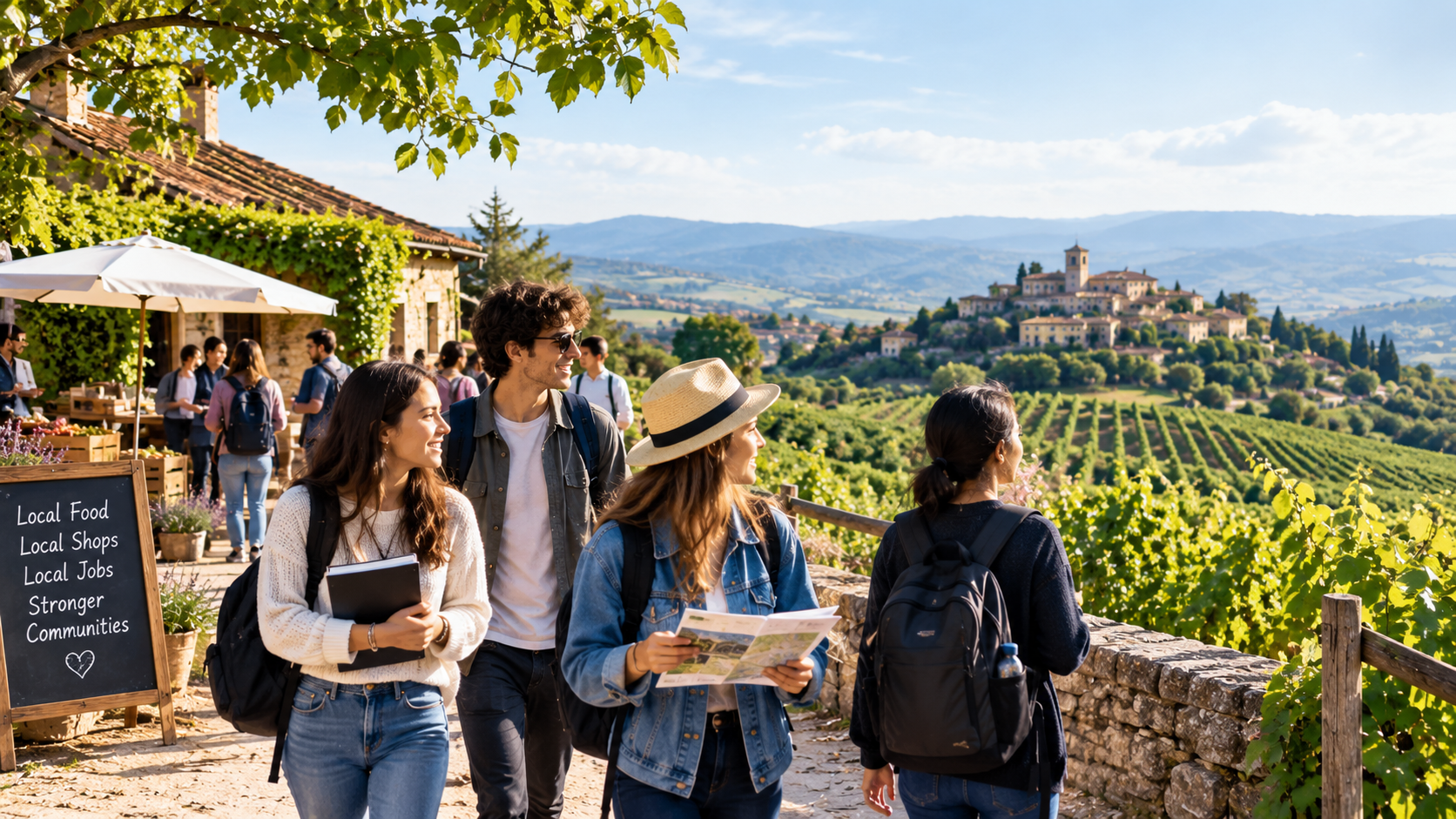
What makes people travel hundreds of miles to visit a vineyard, taste local wines, and spend an afternoon surrounded by beautiful countryside? It’s not only about the wine. For many visitors, it’s the experience, the people, the food, and the chance to learn something new. Wine tourism has become an important part of the travel industry, and it offers some interesting lessons for business and tourism students.
From small family-owned vineyards to established wine destinations, this type of tourism can bring money into local communities while creating opportunities for businesses that might otherwise struggle to attract visitors.
How Wine Tourism Supports Local Businesses
One of the biggest benefits of wine tourism is that its economic impact reaches beyond the vineyard itself. Visitors need places to stay, restaurants to eat at, transport to get around, and shops where they can buy local products.
This creates opportunities for several types of businesses:
- Restaurants and cafes: Tourists often look for meals that complement local wines, giving food businesses a chance to attract new customers.
- Hotels and guesthouses: Vineyard tours and tasting events can encourage visitors to stay overnight rather than leave after a few hours.
- Local producers: Cheese makers, bakeries, farmers, and craft businesses can benefit when vineyards work with nearby suppliers.
- Tour operators: Guided experiences, countryside trips, and tasting packages can generate additional income.
For example, a small vineyard that partners with a nearby restaurant can offer visitors a complete food and wine experience. Both businesses benefit, and tourists get a more memorable day out. It’s a simple idea, but it shows how collaboration can support a local economy.
Creating Jobs and Protecting Local Traditions
Wine tourism also creates employment. Beyond vineyard workers and winemakers, destinations need hospitality staff, tour guides, event organisers, drivers, and marketing professionals.
For students interested in tourism management, this highlights how one industry can support a surprisingly wide range of careers.
There’s also a cultural side to consider. Many wine regions have traditions connected to farming, food, and seasonal celebrations. Vineyard tours give local communities a way to share these traditions with visitors while keeping them relevant to younger generations.
However, businesses need to strike a balance. Too many visitors can put pressure on roads, water supplies, and the natural environment. Sustainable tourism practices are important if communities want the economic benefits to last.
What Business and Tourism Students Can Learn
Wine tourism offers practical lessons that apply to many other industries. Students can explore how businesses attract customers, build partnerships, manage seasonal demand, and develop a recognisable brand.
A few useful lessons stand out:
- Sell experiences, not just products. Visitors often remember the atmosphere and personal interaction as much as the wine itself.
- Understand your audience. Couples, families, international travellers, and wine enthusiasts may all want different experiences.
- Build local partnerships. Working with nearby businesses can improve the visitor experience and spread economic benefits.
- Think sustainably. Responsible tourism helps protect the landscapes and communities that attract visitors in the first place.
These ideas also apply to students studying marketing, hospitality, and business management. Developing these skills requires research and clear communication, whether students are preparing a tourism case study or seeking Assignment Help Singapore to better understand academic concepts and organise their coursework.
The Future of Wine Tourism
Wine tourism has plenty of potential, but success depends on more than producing a good bottle. Destinations need welcoming experiences, thoughtful marketing, strong local partnerships, and a commitment to sustainability.
For local economies, the opportunity lies in making visitors feel connected to a place rather than simply selling them a product. For business and tourism students, wine destinations provide a useful real-world example of how culture, customer experience, and economic development can work together.
Next time you hear about a vineyard tour, look beyond the tasting room. Think about the workers, local suppliers, accommodation providers, and small businesses that make the experience possible. You might discover that there’s a whole business lesson behind that glass of wine.