A home clearance can feel overwhelming before it even starts. Rooms full of old furniture, boxes you have not opened in years, and garden waste all need to go somewhere, and the skip you choose makes a real difference to how smoothly the job goes.
Pick the right size and the job runs smoothly. Pick the wrong one and you face extra costs or delays.
Start By Listing What You Are Clearing
Before you book anything, walk through your home and make an honest list. Are you clearing one room, a whole floor, or the entire house? Each answer points to a different skip size.
A single room clear out usually produces far less waste than people expect, while a full house clearance can fill even a large skip quickly.
When you arrange a small skip for hire for a modest job, be clear about what you are getting rid of. A good provider will use your description to recommend a size that fits, rather than selling you the biggest skip available.
Understand The Common Skip Sizes
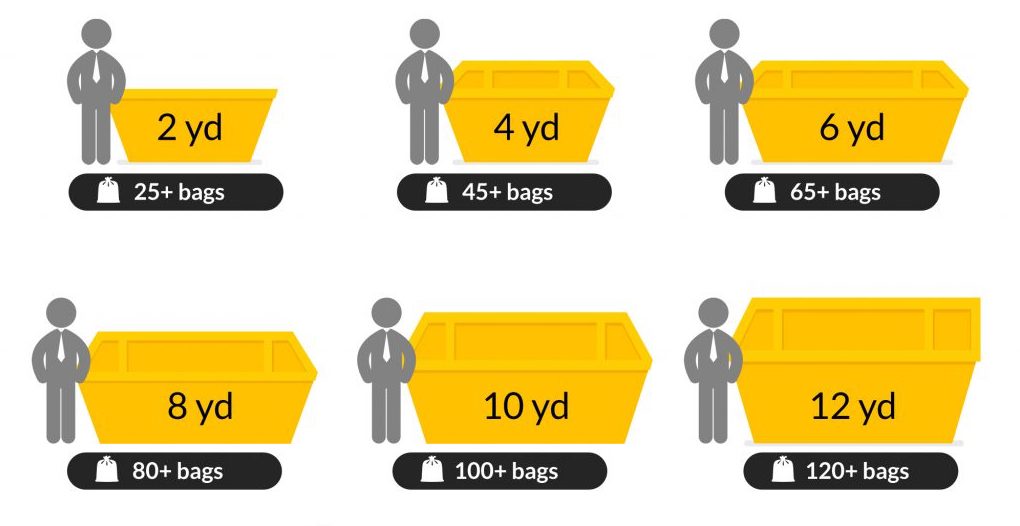
Skips are measured in cubic yards, which is hard to picture. A 2 yard mini skip holds around 20 to 30 bin bags, while a 4 yard midi skip holds roughly 30 to 40.
A 6 yard builders skip is the most popular all rounder, holding about 50 to 60 bin bags. An 8 yard skip suits larger clearances, taking around 60 to 80 bags, and anything bigger is usually for building sites.
For most home clearances, the choice comes down to the 4 yard or 6 yard skip. The smaller one suits single rooms, while the larger one handles multi room clearances.
Think About Weight, Not Just Volume
Size is only half the story. Heavy waste like soil, brick, and concrete has strict weight limits, and a large skip filled with rubble can be too heavy to lift safely.
If your clearance includes heavy materials, smaller skips are usually the safer choice. A 4 yard skip filled with soil is manageable.
Light, bulky waste is different. Old furniture, mattresses, and garden trimmings take up lots of space without much weight, so a larger skip makes sense for these jobs.
Measure Your Space Before Delivery
A skip needs somewhere to sit. Measure your driveway or the space outside your home before you book, and check that a lorry can reach it easily.
Small skips fit on most driveways and are easier to place on narrow streets. Larger skips need more room and may require a permit if they sit on a public road.
Also think about access during the clearance. You will be carrying items to the skip for days, so placing it close to the rooms you are clearing saves effort.
Check What Can And Cannot Go In
Not everything belongs in a skip. Paint, chemicals, asbestos, tyres, fridges, and electrical items are usually banned, and plasterboard often needs separate disposal.
Putting banned items in your skip can lead to extra charges or a refused collection. It is far better to ask the provider first and arrange proper disposal for anything unusual.
Keep hazardous items aside from the start. Sorting waste as you clear each room is much easier than digging through a full skip later.
Compare Quotes On Total Cost
Skip prices vary, and the cheapest headline price is not always the cheapest deal. Some quotes exclude VAT, permits, or delivery, while others include everything.
Ask for a written quote showing the total cost, the hire period, and what is included. Confirm how long you can keep the skip and what an extension costs if your clearance runs over.
Also check the provider’s reputation. Clear contact details, good reviews, and a proper waste carrier licence are all signs of a reliable company that will collect on time.
Plan Your Clearance Day By Day
A home clearance goes better with a simple plan. Start with one room, sort items into keep, donate, and dispose piles, and load the skip as you go.
Donating usable items first reduces what goes in the skip and helps others at the same time. Many charities collect furniture for free, which can save you a surprising amount of space.
Work steadily rather than rushing. A well planned clearance over a few days is far less stressful than trying to empty a whole house in one weekend.
Conclusion
Choosing the right skip size comes down to three things: how much waste you have, how heavy it is, and where exactly the skip will sit.
Measure honestly, ask your provider for advice, and compare total prices very carefully before you book. With the right choice, small skip for hire services make your home clearance faster, cheaper, and far less stressful.
Visit Galenacellars for more informative blogs.