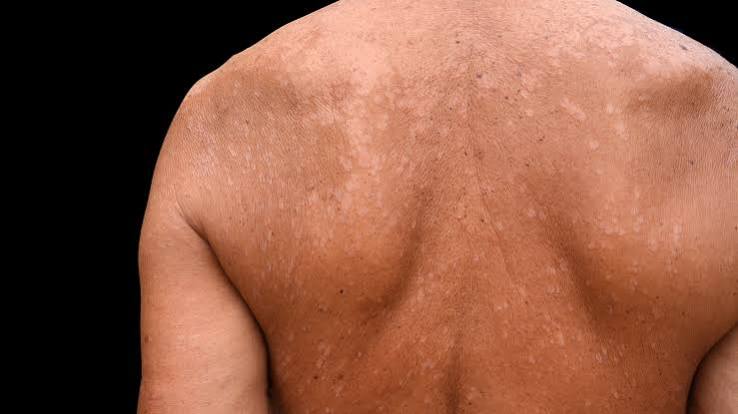
Tinea versicolor is a common fungal skin condition that causes lighter or darker patches to appear on different parts of the body. These patches often develop on the chest, back, shoulders, neck and face. Although the condition is generally harmless, changes in skin colour and occasional itching can affect confidence and make people look for ways to improve their skin health.
Many people explore Tinea Versicolor Supplements to support normal skin function, maintain nutritional balance and promote overall wellbeing. Vitamins, minerals and other nutrients play important roles in skin maintenance, immune function and the body’s natural protective processes.
However, it is important to understand that nutritional supplements do not directly eliminate the yeast responsible for tinea versicolor. Standard antifungal treatments remain the primary approach to controlling the condition. Supplements may help address nutritional deficiencies, but they should not replace medical treatment.
In this article, we explore eight vitamins and nutrients that contribute to skin health, their potential benefits and how to use them responsibly.
What Is Tinea Versicolor?
Tinea versicolor, also known as pityriasis versicolor, is a superficial fungal skin condition associated with an overgrowth of Malassezia, a type of yeast that naturally lives on human skin.
Under certain conditions, including warm weather, humidity, oily skin and excessive sweating, this yeast can multiply and interfere with normal skin pigmentation.
Common symptoms include:
- Light, dark, pink or brown patches on the skin.
- Fine scaling on affected areas.
- Mild itching, particularly after sweating.
- Patches that become more noticeable after sun exposure.
- Uneven skin colour across the chest, back, neck and shoulders.
Tinea versicolor is not usually contagious. It can return after successful treatment because the yeast normally lives on the skin.
Can Supplements Help With Tinea Versicolor?
Nutrition plays an important role in maintaining healthy skin. The body needs vitamins, minerals, proteins and essential fatty acids to support skin cell renewal, normal immune function and the skin barrier.
Although there is limited scientific evidence that supplements specifically treat tinea versicolor, correcting nutritional deficiencies may support general skin health.
People researching Herbal Remedies for Tinea Versicolor should distinguish between nutritional support and proven antifungal treatment. A supplement cannot be assumed to kill Malassezia or clear existing discoloured patches.
The following eight nutrients are worth understanding as part of a balanced approach to skin health.
1. Vitamin D for Normal Immune Function
Vitamin D is an important nutrient that supports bone health, calcium absorption and normal immune system function. The body produces vitamin D when the skin receives sunlight, while certain foods and supplements provide additional amounts.
Vitamin D also contributes to normal skin cell development and immune regulation.
Potential skin health benefits:
- Supports normal immune system activity.
- Helps maintain healthy skin cell function.
- Contributes to calcium regulation.
- Helps correct vitamin D deficiency.
Some people with limited sun exposure, darker skin pigmentation or restricted diets may have a higher risk of vitamin D deficiency.
However, there is no established evidence that taking vitamin D supplements directly treats tinea versicolor. Excessive supplementation can also cause high calcium levels and other health complications.
Practical tip: Consider discussing a vitamin D blood test with a healthcare professional before starting high-dose supplements.
2. Vitamin C for Collagen Production and Skin Repair
Vitamin C is an essential antioxidant that helps protect cells from oxidative stress. It also supports collagen production, which is necessary for maintaining skin structure, strength and elasticity.
The body cannot produce vitamin C naturally, so it must come from food or supplements.
Potential skin health benefits:
- Supports normal collagen formation.
- Helps protect skin cells against oxidative damage.
- Supports normal immune system function.
- Contributes to wound healing and tissue maintenance.
Good dietary sources include oranges, lemons, strawberries, kiwi, guava, broccoli and bell peppers.
Vitamin C supplements may be useful for people who do not obtain enough through their diet. However, there is no reliable clinical evidence that vitamin C clears tinea versicolor or prevents its recurrence.
Practical tip: Include vitamin C-rich fruits and vegetables in your daily meals rather than relying entirely on supplements.
3. Vitamin E for Antioxidant Protection
Vitamin E is a fat-soluble antioxidant that helps protect cell membranes from oxidative damage. It also contributes to normal immune function and helps maintain healthy skin.
Because the skin is regularly exposed to environmental stressors, including sunlight and pollution, adequate antioxidant intake is important for general skin maintenance.
Potential skin health benefits:
- Helps protect cells against oxidative stress.
- Supports normal immune system function.
- Contributes to maintaining healthy cell membranes.
- Supports overall skin health.
Foods containing vitamin E include almonds, sunflower seeds, hazelnuts, spinach, avocado and vegetable oils.
Vitamin E supplements are available in capsules and other formulations. However, taking high doses is not necessarily beneficial. Excessive vitamin E supplementation may increase bleeding risk, particularly when combined with blood-thinning medication.
Practical tip: Choose vitamin E-rich foods as your first option and discuss supplements with a healthcare professional if you have a nutritional deficiency.
4. Zinc for Skin Maintenance and Immune Support
Zinc is an essential mineral involved in hundreds of processes throughout the body. It supports normal immune function, protein synthesis, DNA production and cell division.
Healthy skin requires an adequate supply of zinc because skin cells continuously renew themselves.
Potential skin health benefits:
- Supports normal skin cell development.
- Contributes to normal immune system function.
- Helps maintain healthy tissues.
- Supports normal protein synthesis and wound healing.
Good sources of zinc include pumpkin seeds, chickpeas, lentils, nuts, whole grains, eggs and seafood.
Some people explore zinc supplements when researching a Tinea Versicolor Natural Treatment because of zinc’s role in skin health. However, oral zinc has not been established as an effective treatment for this fungal condition.
It is also important to distinguish oral zinc supplements from zinc-containing topical products. Certain topical formulations have antifungal applications, but their effectiveness depends on the specific ingredient and formulation.
Practical tip: Avoid taking excessive zinc. High doses over time can interfere with copper absorption and potentially cause anaemia and other health problems.
5. Vitamin A for Normal Skin Cell Growth
Vitamin A is essential for normal cell growth, immune function and the maintenance of healthy skin. It supports the development and replacement of skin cells and helps maintain the normal structure of skin tissues.
There are two main dietary forms:
- Preformed vitamin A: Found in animal foods such as eggs, dairy products and liver.
- Provitamin A carotenoids: Found in colourful plant foods such as carrots, sweet potatoes, spinach and pumpkin.
Potential skin health benefits:
- Supports normal skin cell growth.
- Helps maintain healthy skin tissues.
- Contributes to normal immune function.
- Supports the maintenance of mucous membranes.
Vitamin A deficiency can affect skin health, but additional supplementation does not necessarily improve the skin of someone who already receives enough vitamin A.
High doses of preformed vitamin A can be toxic. Pregnant women should be particularly careful because excessive amounts may harm foetal development.
Practical tip: Obtain vitamin A through a varied diet and avoid high-dose supplements unless recommended by a qualified healthcare professional.
6. Selenium for Antioxidant Defence
Selenium is a trace mineral that helps the body produce selenoproteins, including enzymes involved in antioxidant protection. It also contributes to normal thyroid function and immune system activity.
Adequate selenium intake supports several processes involved in maintaining healthy tissues.
Potential skin health benefits:
- Supports antioxidant defence mechanisms.
- Contributes to normal immune function.
- Supports normal thyroid function.
- Helps protect cells against oxidative damage.
Foods containing selenium include Brazil nuts, eggs, fish, poultry, meat and whole grains.
Selenium deserves special attention when discussing tinea versicolor because selenium sulphide is an ingredient used in certain medicated skin treatments. However, oral selenium supplements and topical selenium sulphide are not interchangeable.
Topical selenium sulphide works as an established treatment option against the yeast associated with tinea versicolor. Oral selenium supplementation has not been proven to provide the same antifungal effect.
Practical tip: Avoid consuming large quantities of Brazil nuts or taking high-dose selenium supplements. Excessive selenium can cause hair loss, brittle nails, nausea and other health problems.
7. Omega-3 Fatty Acids for Skin Barrier Support
Omega-3 fatty acids are essential fats that the body needs for normal cell function. They contribute to cell membrane structure and help regulate several processes involved in inflammation.
The most familiar omega-3 fatty acids are EPA and DHA, commonly found in oily fish, while ALA is found in plant-based foods.
Potential skin health benefits:
- Support normal cell membrane function.
- Contribute to maintaining the skin barrier.
- Support healthy inflammatory responses.
- Help maintain overall cardiovascular and general health.
Good sources include salmon, sardines, mackerel, chia seeds, flaxseeds and walnuts.
Fish oil and plant-based omega-3 supplements are popular choices for people looking to support general wellbeing. However, there is insufficient clinical evidence that omega-3 supplements directly treat tinea versicolor.
Practical tip: Include omega-3-rich foods in your weekly diet. If you take fish oil supplements, discuss possible interactions with blood-thinning medication and other treatments.
8. B Vitamins for Healthy Skin Cell Function
B vitamins are a group of essential nutrients that help the body convert food into energy, support normal cell metabolism and maintain healthy tissues.
Several B vitamins have important roles in skin health:
- Vitamin B2 (Riboflavin): Supports normal energy metabolism and helps maintain healthy skin and mucous membranes.
- Vitamin B3 (Niacin): Supports normal energy metabolism and cellular function.
- Vitamin B6: Contributes to normal protein metabolism and immune function.
- Vitamin B7 (Biotin): Helps metabolise fats, carbohydrates and proteins.
- Vitamin B12: Supports normal red blood cell formation and neurological function.
Foods containing B vitamins include eggs, dairy products, whole grains, legumes, leafy vegetables, meat and fish.
A balanced diet generally provides sufficient B vitamins for most people. However, individuals following restrictive diets or experiencing certain digestive conditions may develop nutritional deficiencies.
Although B vitamins support normal skin function, there is no established evidence that B-complex supplements eliminate the yeast responsible for tinea versicolor.
Practical tip: Consider a B-complex supplement only when your dietary intake or individual health circumstances justify it. Excessive vitamin B6 supplementation can cause nerve damage.
How to Support Skin Health Through Your Daily Diet
Supplements are only one part of maintaining healthy skin. A balanced diet provides a combination of nutrients that work together to support normal skin function.
Consider including the following foods in your regular meals:
| Food | Important nutrients |
| Carrots | Vitamin A precursors |
| Oranges and guava | Vitamin C |
| Almonds | Vitamin E |
| Pumpkin seeds | Zinc |
| Brazil nuts | Selenium |
| Salmon and sardines | Omega-3 fatty acids |
| Eggs | B vitamins and vitamin A |
| Spinach | Vitamin A precursors and vitamin E |
Eating a variety of whole foods can help reduce the risk of nutritional deficiencies. It is generally better to obtain essential nutrients through food rather than taking multiple high-dose supplements.
5 Additional Ways to Manage Tinea Versicolor
Alongside nutritional support, certain daily habits may help manage the condition and reduce factors that encourage yeast overgrowth.
1. Keep Your Skin Clean and Dry
Wash regularly, particularly after exercise or activities that cause excessive sweating. Dry your skin properly, especially around areas where moisture collects.
2. Wear Breathable Clothing
Choose loose-fitting clothing made from breathable fabrics. Tight clothing can trap heat and moisture, creating an environment that encourages yeast growth.
3. Avoid Excessively Oily Skin Products
Some oily skincare products may contribute to the conditions in which Malassezia thrives. Consider lightweight, oil-free and non-comedogenic moisturisers.
4. Protect Your Skin From Sun Exposure
Sun exposure can make the colour difference between affected and unaffected skin more noticeable. Use broad-spectrum SPF 30 or higher sunscreen and avoid tanning beds.
5. Follow Appropriate Antifungal Treatment
Antifungal shampoos, creams and lotions containing ingredients such as ketoconazole or selenium sulphide are commonly recommended treatments.
For widespread or persistent infections, a dermatologist may prescribe oral antifungal medication. Follow the recommended treatment instructions rather than relying on supplements alone.
The American Academy of Dermatology explains that skin pigmentation may take weeks or months to return to normal after successful treatment. Therefore, persistent light or dark patches do not necessarily mean the infection is still active.
Can Herbal Remedies Support Tinea Versicolor Management?
Many people prefer exploring plant-based approaches as part of their general wellness routine. Herbal ingredients are widely used in traditional skincare practices, and some laboratory research has investigated the antifungal properties of particular plant extracts.
However, laboratory findings do not establish that an herbal supplement can treat a fungal infection in humans.
When researching Herbs Solutions By Nature, it is important to consider the quality of ingredients, product labelling, manufacturing standards and potential interactions with medicines.
Keep these points in mind:
- Choose products with clearly identified ingredients.
- Avoid supplements making claims of guaranteed fungal cures.
- Check whether ingredients may interact with prescription medicines.
- Do not apply concentrated essential oils directly to affected skin without appropriate professional guidance.
- Discuss herbal supplements with a healthcare professional before combining them with antifungal medication.
Herbal products may complement a general wellness routine, but they should not replace proven antifungal treatments.
Important Safety Considerations Before Taking Supplements
Although vitamins and minerals are essential for good health, taking more than the recommended amount does not automatically produce better results.
Before starting Tinea Versicolor Supplements, consider the following precautions:
- Check for nutritional deficiencies: A healthcare professional can recommend appropriate tests when a deficiency is suspected.
- Avoid excessive doses: High amounts of vitamins A, E, B6, zinc and selenium can cause unwanted effects.
- Check medication interactions: Some supplements may interfere with prescription medicines.
- Choose reputable products: Look for transparent ingredient lists and appropriate quality testing.
- Avoid replacing antifungal treatment: Nutritional supplements have not been proven to eliminate the yeast responsible for tinea versicolor.
If the patches spread, become painful, change unexpectedly or fail to improve with treatment, seek advice from a dermatologist. A proper diagnosis is important because several other skin conditions can cause similar colour changes.
Frequently Asked Questions
1. What are the best supplements for tinea versicolor?
Vitamin D, vitamin C, vitamin E, zinc, vitamin A, selenium, omega-3 fatty acids and B vitamins support different aspects of normal skin function. However, none has been established as a direct treatment for tinea versicolor.
2. Can vitamin D help with tinea versicolor?
Vitamin D supports normal immune function and skin cell development. Correcting a vitamin D deficiency may benefit general health, but supplementation has not been proven to clear tinea versicolor.
3. Does zinc help treat fungal skin infections?
Zinc contributes to normal immune function and skin maintenance. However, oral zinc supplements are not an established treatment for tinea versicolor. Appropriate antifungal products are more effective for controlling the condition.
4. Can herbal supplements prevent tinea versicolor from returning?
There is insufficient clinical evidence that herbal supplements prevent recurrence. Dermatologists may recommend intermittent use of medicated antifungal cleansers for people who experience frequent episodes.
5. How long does tinea versicolor take to disappear?
The yeast may respond to antifungal treatment relatively quickly, but skin discolouration can take several weeks or months to resolve. This does not necessarily indicate treatment failure.
Conclusion
Tinea versicolor is a common fungal skin condition that can cause noticeable changes in skin pigmentation. Although vitamins, minerals and essential fatty acids contribute to normal skin maintenance and immune function, supplements should not be considered a replacement for antifungal treatment.
The eight nutrients discussed in this article offer different nutritional benefits. Vitamin D supports immune function, vitamin C contributes to collagen production, zinc supports skin maintenance, and omega-3 fatty acids contribute to normal cell function.
A balanced diet, appropriate skincare habits and dermatologist-recommended treatment provide a more reliable approach to managing this condition.
If you are considering Herbal Remedies for Tinea Versicolor, prioritise product safety, realistic expectations and professional medical advice. Supporting your overall nutritional health is worthwhile, but treating the underlying fungal overgrowth remains essential.