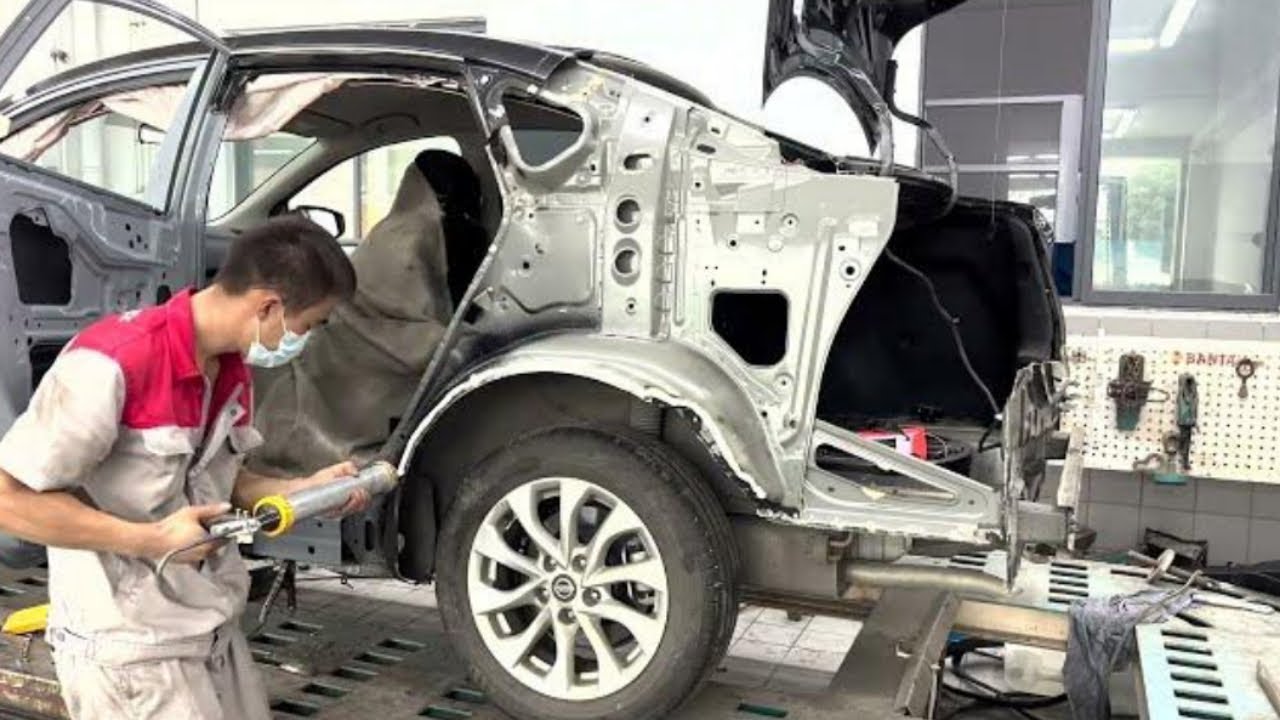
A car accident is stressful even when nobody is hurt. Once the shock passes, you face a string of decisions about insurance, repairers, and costs, all while you need your car back.
Getting the repair right first time matters. Poor workmanship can affect your safety, your car’s value, and your insurance. Here is how to handle it properly.
Stay Calm And Make The Scene Safe
Your first job after an accident is safety. Move to a safe place if you can, switch on your hazard lights, and check whether anyone needs medical help.
Exchange details with the other driver, including names, addresses, registration numbers, and insurance information. Take photos of the damage, the road, and both vehicles from several angles.
Once everyone is safe, your next call is usually to a repair workshop. A trusted coach works team can advise you on the next steps and arrange an inspection, even before your insurer has finished its paperwork.
Tell Your Insurer Promptly
Most policies require you to report an accident quickly, even if you do not plan to claim. Call your insurer as soon as you can and give them the facts clearly.
Be honest about what happened. Exaggerating or leaving out details can cause problems later, and insurers check claims carefully. Stick to what you know and let the evidence speak.
Ask your insurer about your options. Some policies let you choose your own repairer, while others prefer their approved network. Know your rights before you agree to anything.
Get A Proper Written Estimate
Never agree to repair work based on a verbal guess. A proper estimate should list the parts, labour, and paintwork needed, along with the total cost and VAT.
Compare estimates if you can. Prices vary between workshops, but the cheapest quote is not always the best. Look at what is included, whether genuine or quality parts are used, and what warranty comes with the work.
A detailed estimate also protects you. If the final bill differs from the estimate, you have something in writing to refer back to.
Check Parts And Paint Quality
Parts quality affects how long the repair lasts. Genuine manufacturer parts fit best and keep your car’s safety systems working as designed, while poor quality parts can cause problems later.
Paint matching matters too. A good workshop uses proper colour matching and spray booths so the repaired panel blends with the rest of the car. Mismatched paint is a clear sign of rushed work.
Ask the workshop about their process. A confident team will explain what parts they use, how they match paint, and how they check the finished job before handing the car back.
Ask About Courtesy Cars And Timescales
Being without a car is disruptive, so ask about a courtesy car early. Some insurers provide one, and some workshops offer one while yours is being repaired.
Get a realistic timescale in writing. Complex repairs involving structural work or parts on order take longer, and a good workshop will be honest about that rather than promising an impossible date.
Stay in touch during the repair. A quick call or message every few days keeps you informed and lets the workshop flag any extra damage found once work begins.
Understand Your Insurance Excess
Before repairs begin, check your policy excess carefully. This is the amount you pay yourself, and it can be higher than people expect.
Ask whether claiming will affect your no claims bonus. Sometimes paying for a small repair yourself works out cheaper over time than a claim that raises your premium for several years afterwards.
Your insurer should explain all of this clearly. If anything is unclear, ask them to put it in writing before you authorise the work.
Inspect The Car Before You Accept It
When the repair is finished, inspect the car very carefully indeed before you sign anything at all. Check panel gaps, paint finish, lights, and any features that were damaged.
Take the car for a short drive if possible. Listen carefully for unusual noises and check that everything works as it should, from the doors to the dashboard warnings.
If something is not right, say so immediately. Reputable workshops would rather fix a problem straight away than have an unhappy customer, and raising issues early makes them much easier to resolve quickly.
Conclusion
A car accident is never convenient, but a careful approach makes the repair process far less stressful for everyone involved. Report it promptly, get a written estimate, and choose a workshop you trust completely.
With the right team, coach works repairs restore your car to its proper condition and get you back on the road with real confidence. Take your time, ask questions, and never accept work you are not happy with.
Visit Galenacellars for more informative blogs