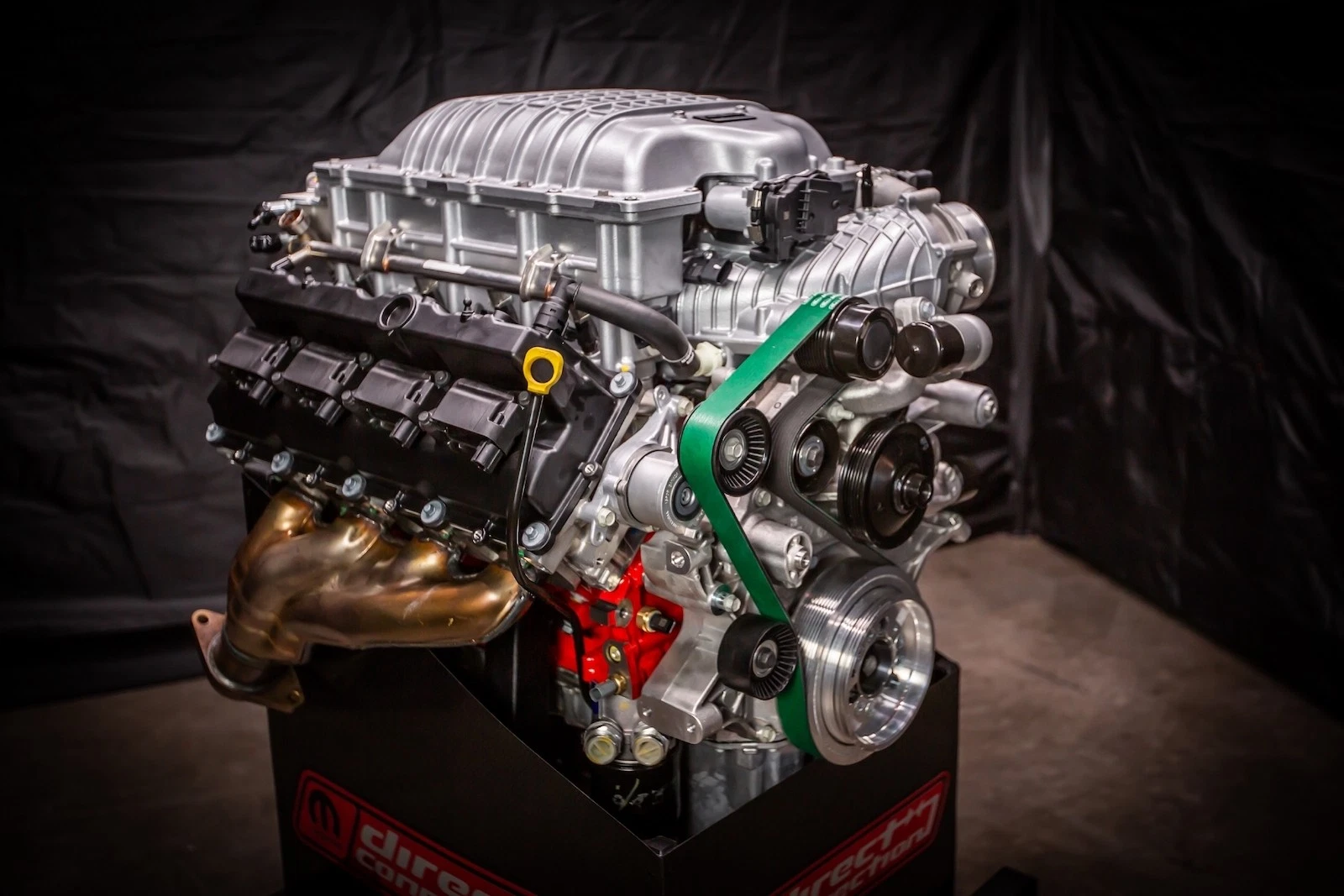
Introduction
Replacing a car engine can involve several expenses beyond purchasing the replacement unit. The overall cost depends on whether you choose a used, reconditioned or new engine, how much labour is required and whether additional parts need replacing. Vehicle make, model and engine specifications can also affect the final bill. Understanding these factors will help you compare quotes, plan your budget and choose an engine replacement option that offers suitable value for money.
What Is the Average Engine Replacement Cost?
For many ordinary petrol or diesel cars, a replacement engine supplied and fitted may cost approximately £2,000 to £5,500. Smaller, common models can fall below this range when a suitable used engine is available, while premium cars, large SUVs and vans can cost much more.
A quote should state whether it covers the engine alone or the complete job. Supply-only prices can appear attractive, but fitting, fluids, filters and other essentials must also be paid for. Compare car engines for sale UK to find a suitable replacement that fits your vehicle and budget.
How Engine Type Affects the Price
Engine size and design influence both the purchase price and installation time. Small petrol engines are often easier and cheaper to source than large, high-output or specialist units. Diesel engines may cost more because of their fuel systems, turbochargers and emissions equipment. Hybrid vehicles can require specialist knowledge and additional safety procedures, increasing labour costs.
Availability also matters: common engines are easier to find than uncommon engine codes. Always confirm compatibility rather than choosing a cheaper engine that merely appears similar.
Used, Reconditioned or New Engines
A used engine removed from another vehicle is usually the cheapest option. Its price depends on mileage, condition, service history and the warranty offered. Ask for testing evidence and clear warranty terms.
A reconditioned engine has been inspected and repaired, with worn components replaced as specified by the supplier. It generally costs more than a basic used unit but may offer greater reassurance. A rebuilt engine involves repairing the original unit or rebuilding it with replacement parts. A brand-new engine from the manufacturer is usually the most expensive choice and may make sense for newer or high-value vehicles.
Labour and Additional Costs
Removing an old engine and fitting another can require many hours of skilled work. Labour rates vary by region, garage type and vehicle complexity. Main dealerships may charge more than independent specialists.
Additional costs may include engine oil, coolant, filters, gaskets, belts, hoses, new bolts and replacement of damaged ancillary components. The clutch, timing belt or water pump may be worth addressing while the engine is accessible, depending on their condition and the manufacturer’s recommendations. Recovery, diagnostic checks and disposal of the old engine can also add to the total. Ask for a written, itemised estimate and approval before extra work begins.
Before work starts, agree how the garage will handle unexpected damage discovered during removal, whether old parts will be returned, and when payment is due. Clear written terms help prevent misunderstandings and make it easier to compare the value of each quote.
Is Replacing the Engine Worth It?
Compare the full replacement cost with the car’s current market value and overall condition. If the bodywork, gearbox, suspension and other major components are in good shape, a replacement engine may extend the vehicle’s useful life. If the car has extensive rust, repeated faults or a low resale value, replacing it may be financially impractical.
Before deciding, ask a qualified mechanic to diagnose the original fault. Problems such as a failed sensor, cooling-system fault or head gasket issue may be repairable without replacing the entire engine.
How to Keep the Cost Under Control
Get at least two or three comparable quotes from reputable garages or engine suppliers. Give each the same vehicle details and ask whether the quote includes fitting, consumables, VAT and warranty cover. Check warranty duration, exclusions and whether labour is included if a fault occurs.
You can reduce costs by considering a tested used or reconditioned engine, but avoid sacrificing documentation or compatibility to save a small amount. Keep invoices and follow maintenance instructions.
Conclusion
Engine replacement in the UK can cost from around £1,000 to well over £6,000, depending on the vehicle, engine option and work involved. The best way to budget is to compare like-for-like written quotes, include labour and additional parts, and assess the car’s overall condition. With a reliable diagnosis and careful supplier checks, you can choose a practical solution without unexpected costs.
Visit Galenacellars for more informative blogs