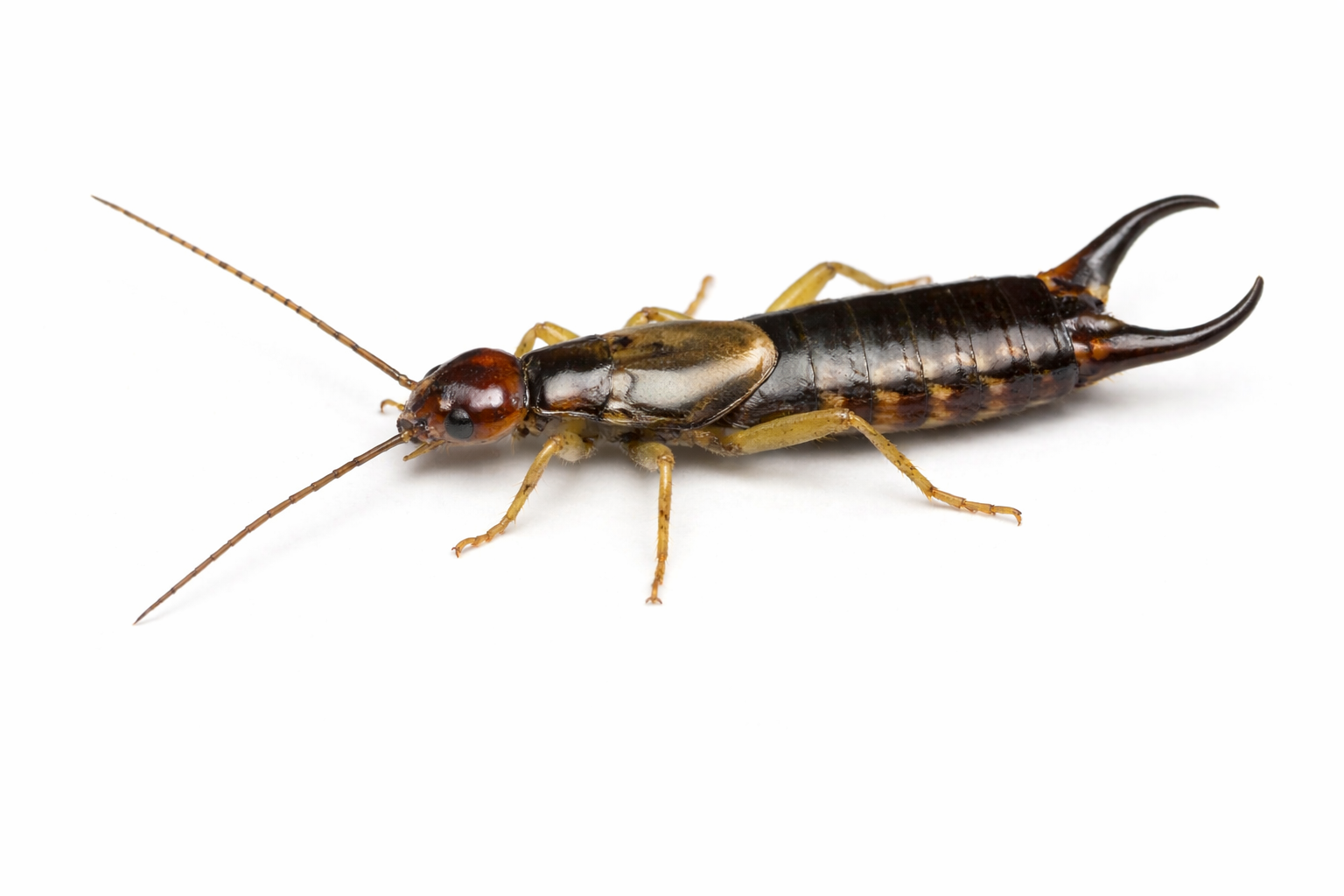
Earwigs are small insects that often appear in gardens, damp areas and dark spaces around homes. Their unusual pincers can make them look frightening, but they are generally harmless to people. These insects usually enter houses when they search for moisture, food and shelter. Understanding Earwigs Control & Removal in Ontario can help homeowners identify these pests, remove them safely and prevent them from returning.
Earwigs Control & Removal in Ontario: Why Do These Insects Enter Homes?
Earwigs prefer cool, dark and damp places. They normally live outdoors under stones, leaves, garden waste and pieces of wood. However, they may move indoors when outdoor conditions become too dry, too wet or unsuitable.
Basements, bathrooms, laundry rooms and garages can provide the moisture they need. Small openings around doors, windows and foundations also make it easy for them to enter.
Earwigs may become more noticeable during warm and wet weather. They can also move inside when garden areas near the building provide suitable hiding places.
How to Identify Earwigs
Earwigs have long, narrow bodies that are usually brown, reddish-brown or dark in colour. Their most noticeable feature is a pair of pincers at the end of the body.
These pincers are called cerci. They help earwigs defend themselves and handle food. Male earwigs usually have more curved pincers, while female pincers are often straighter.
Most earwigs are around one to two centimetres long, although their size can vary by species. They have six legs and long antennae.
Homeowners may find them moving quickly when a hiding place is disturbed. They usually prefer to remain hidden during daylight and become more active at night.
Common Places Where Earwigs Hide
Earwigs look for areas that provide darkness and moisture. Inside homes, they often hide in places that are rarely disturbed.
Common hiding areas include:
- Damp basement corners
- Under bathroom sinks
- Behind washing machines
- Around door frames
- Near floor drains
- Inside garages and storage rooms
- Under flower pots and garden containers
Outdoor hiding places include wet leaves, mulch, stones, tree bark and wood piles. Removing unnecessary clutter can reduce the number of suitable hiding places around your property.
Do Earwigs Bite or Cause Damage?
Earwigs are not considered dangerous household pests. They do not have a stinger and do not normally attack people. Their pincers may pinch if they are handled or trapped, but this is uncommon.
They also do not usually damage household structures, furniture or electrical wiring. Their main impact is often related to their presence in unwanted places.
In gardens, earwigs feed on decaying plant material and may also eat young plants, flowers and soft leaves. Large numbers can sometimes damage seedlings and ornamental plants.
Understanding their behaviour helps homeowners manage them without unnecessary fear.
How Moisture Attracts Earwigs
Moisture is one of the main factors that attracts earwigs. They lose water easily and prefer environments that help them stay hydrated.
Leaking taps, wet floors, poor drainage and damp storage spaces can create suitable conditions. Outdoor moisture can also build up around flower beds, mulch and garden waste.
Start by checking areas where water collects. Repair leaking pipes, dry wet surfaces and improve ventilation in rooms with high humidity.
If your basement stays damp, consider using a dehumidifier. Make sure gutters and downspouts direct rainwater away from your foundation.
Reducing moisture makes indoor spaces less attractive to earwigs and other pests.
Simple Ways to Remove Earwigs From Your Home
Removing visible earwigs is a useful first step. A vacuum cleaner can collect them from floors, corners and other accessible areas. Empty the vacuum outside and clean the container afterwards.
You can also use a damp newspaper trap. Roll up a slightly damp newspaper and place it near an area where earwigs are active. Check it in the morning and dispose of any captured insects in a sealed bag.
Sticky traps may also help monitor activity in suitable locations. Keep all traps away from children and pets.
Avoid using random insect sprays around food preparation areas or near pets. Always read product labels and follow safety instructions.
If earwigs continue appearing in large numbers, professional treatment may be more effective than repeated household methods.
How to Prevent Earwigs From Entering Your Property
Preventing entry is an important part of long-term pest management. Small improvements around your property can reduce the chances of earwigs getting inside.
1. Seal Gaps: Check doors, windows and foundation walls. Repair damaged weather stripping and seal suitable openings.
2. Remove Wet Leaves: Clear garden waste and dead leaves from around the foundation.
3. Move Wood Piles: Store firewood away from exterior walls and keep it raised off the ground.
4. Improve Drainage: Make sure water flows away from the house instead of collecting near the foundation.
5. Reduce Outdoor Clutter: Remove unused pots, stones and other objects that provide hiding places.
6. Maintain Your Garden: Trim plants near the building and avoid placing thick mulch directly against exterior walls.
7. Keep Indoor Areas Dry: Repair plumbing leaks and improve airflow in damp rooms.
These prevention habits can make your home less suitable for earwigs throughout the year.
When Should You Contact a Pest Control Professional?
A few earwigs near a doorway may not require professional treatment. However, regular sightings in several rooms may suggest that the insects have suitable hiding places or easy access to the building.
A trained technician can inspect damp areas, foundation openings, gardens and other possible entry points. The inspection can help identify why the insects keep returning.
Homeowners looking for pest inspection services in Vaughan can consider a professional assessment when repeated earwig activity becomes difficult to manage.
Professional treatment should focus on the source of the problem. This may include targeted applications, entry-point recommendations and moisture management advice.
Always ask about treatment methods and precautions for children and pets before any service begins.
Protecting Homes and Businesses From Earwigs
Earwigs can enter both residential and commercial properties. Offices, restaurants, storage buildings and shops may attract them when damp areas and outdoor hiding places are present.
Business owners should check loading entrances, storage rooms and exterior walls. Keeping waste areas clean and repairing water leaks can also reduce pest activity.
Regular property maintenance helps prevent insects from finding suitable places to live. Businesses with repeated pest problems may benefit from business pest control services Whitby Ontario to review their buildings and develop suitable prevention measures.
For residential properties, regular cleaning and moisture control are often important parts of keeping earwigs away.
Frequently Asked Questions
1. Why do earwigs suddenly appear in my house?
Earwigs may enter because they are searching for moisture and shelter. Wet weather, dry outdoor conditions and small openings around the building can increase indoor sightings.
2. Are earwigs dangerous to humans?
Earwigs are generally harmless. They do not sting people, and pinching is uncommon. Avoid handling them directly.
3. What attracts earwigs to bathrooms and basements?
These areas often contain moisture, darkness and hiding places. Leaking pipes, damp floors and poor ventilation can make them attractive.
4. How can I get rid of earwigs naturally?
Remove visible insects, use simple monitoring traps, reduce moisture and clear outdoor hiding places. Seal openings around doors and windows to reduce entry.
5. Do earwigs damage plants?
Earwigs mainly feed on decaying plant material, but they may also eat young plants, flowers and soft leaves. Large numbers can sometimes cause garden damage.
Conclusion
Earwigs are usually more of a nuisance than a serious threat to people or buildings. Keeping damp areas dry, removing outdoor clutter and sealing entry points can help reduce their activity. Regular property checks also make it easier to find conditions that attract these insects. When extra support is needed, Pest Jam can help homeowners explore suitable pest inspection, removal and prevention solutions.