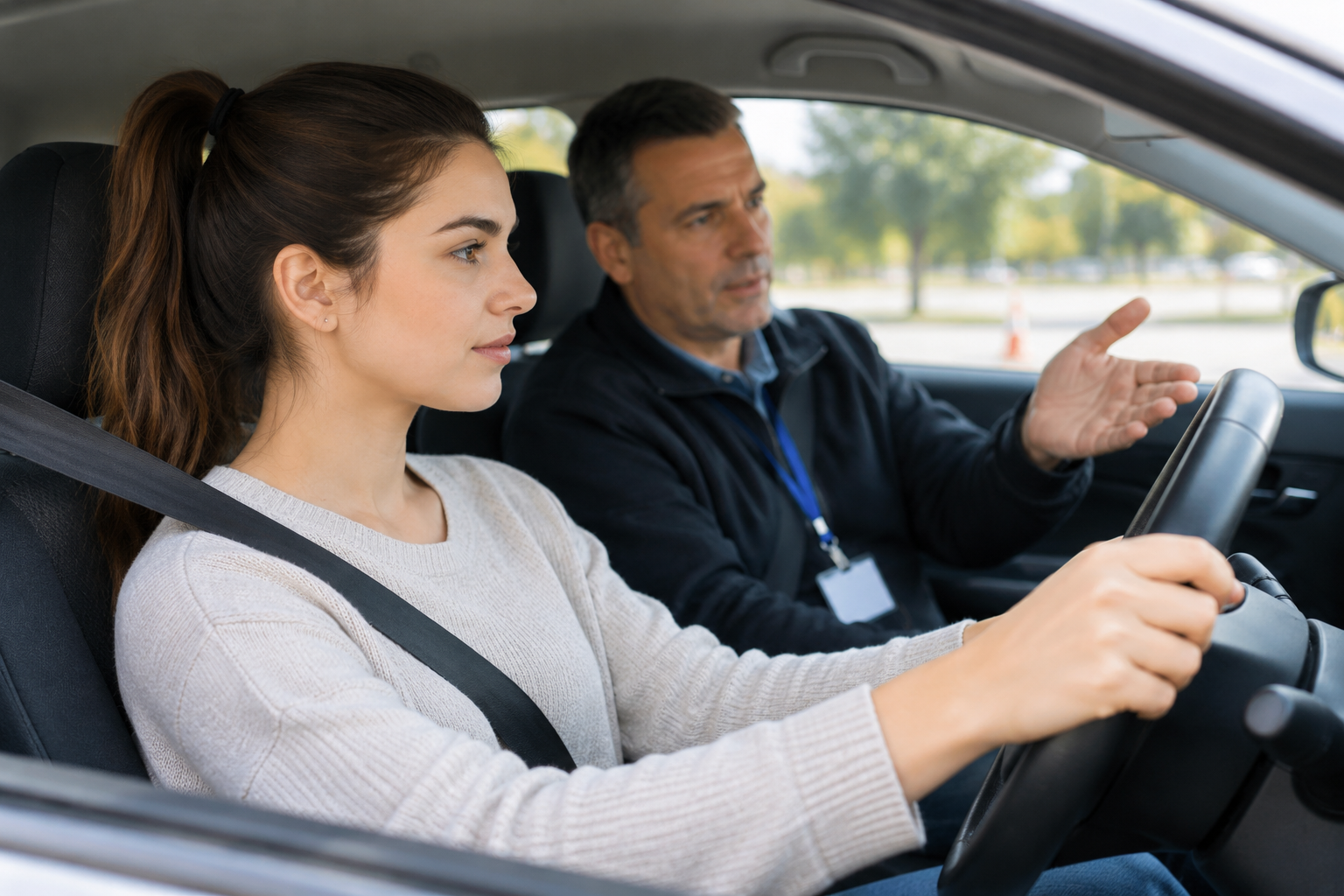
Choosing a Defensive Driving School in Burnaby can help drivers develop better road awareness and learn how to respond to unexpected situations. Defensive driving focuses on preventing accidents by recognising potential hazards, maintaining safe distances and making responsible decisions. These skills are useful for beginners and experienced drivers who want to become safer on busy roads. With proper training and regular practice, drivers can improve their confidence and understand how to protect themselves and others.
Why Defensive Driving School in Burnaby Training Is Important
Driving safely requires attention, patience and good decision-making. Even experienced drivers can face unexpected situations such as sudden braking, changing traffic conditions or pedestrians crossing the road.
Defensive driving teaches people to identify possible dangers before they become serious problems. It also encourages drivers to stay alert and avoid unnecessary risks.
Learning these techniques can improve everyday driving habits. Drivers become more aware of their surroundings and understand why safe decisions are important in different situations.
Understanding the Basic Principles of Defensive Driving
Defensive driving is based on several important principles. The first is maintaining awareness of the road and surrounding traffic. Drivers should regularly check their mirrors and look ahead to identify possible hazards.
The second principle is maintaining enough space between vehicles. Following too closely reduces reaction time and increases the risk of collisions.
Another important principle is controlling speed. Drivers should adjust their speed according to traffic, visibility and weather conditions rather than focusing only on posted limits.
Learn to Recognise Road Hazards Early
Recognising hazards is an important part of safe driving. Potential dangers may include vehicles changing lanes unexpectedly, pedestrians crossing the street or cyclists entering traffic.
Drivers should pay attention to their surroundings and avoid distractions. Looking ahead can provide more time to respond to changing conditions.
Blind spots also require attention. Before changing lanes or turning, drivers should check their mirrors and physically check the appropriate blind spot. This simple habit can help prevent accidents.
Maintain Safe Following Distances
Keeping enough space between vehicles gives drivers more time to react when traffic slows down. Following too closely can make it difficult to stop safely.
Drivers should maintain a suitable following distance based on speed, road conditions and visibility. More space may be needed during rain or when roads are slippery.
It is also important to avoid unnecessary braking. Smooth acceleration and controlled braking help create a safer driving experience for everyone.
Handle Rainy Weather and Busy Traffic Safely
Weather conditions can affect vehicle control and visibility. Rain may create slippery surfaces, while fog can make it difficult to see other vehicles and road signs.
Drivers should reduce speed when conditions require it and use their lights appropriately. They should also avoid sudden steering movements and hard braking.
Busy traffic requires patience and careful observation. Drivers should watch for pedestrians, cyclists and vehicles entering or leaving nearby roads.
People interested in safe driving lessons in Surrey BC can benefit from learning how to manage changing road conditions and develop responsible driving habits.
Avoid Distracted and Risky Driving Behaviour
Distractions can reduce concentration and increase the chance of an accident. Using a mobile phone, adjusting controls or focusing on unrelated activities can take attention away from the road.
Drivers should keep their attention on driving and avoid unnecessary activities behind the wheel. They should also avoid aggressive behaviour such as speeding, tailgating and sudden lane changes.
Remaining calm is especially important when another driver makes a mistake. Defensive driving encourages people to respond carefully instead of reacting emotionally.
Benefits of Professional Defensive Driving Training
Professional training gives drivers an opportunity to understand safety techniques through practical instruction. An experienced instructor can explain how to identify hazards, maintain control and make safer decisions.
Learners can also receive feedback about their driving habits. This helps them recognise areas that need improvement and develop more consistent techniques.
Those searching for professional driving lessons in North Vancouver may consider structured instruction that focuses on observation, hazard awareness and responsible road behaviour.
Build Long-Term Safe Driving Habits
Defensive driving should not stop after completing a training course. Drivers should continue practising safe habits every time they use the road.
Checking mirrors, maintaining safe distances and following traffic rules should become part of everyday driving. Drivers should also stay updated about road signs and local traffic regulations.
Consistent practice can help people become more comfortable with challenging situations. It also encourages a responsible attitude towards passengers and other road users.
Frequently Asked Questions
1. What is defensive driving?
Defensive driving is a driving approach that focuses on recognising hazards, preventing accidents and making safe decisions on the road.
2. Who can benefit from defensive driving training?
Both new and experienced drivers can benefit. Beginners can learn safe habits early, while experienced drivers can improve their awareness and decision-making.
3. Does defensive driving help prevent accidents?
It can reduce risks by teaching drivers to recognise hazards, maintain safe distances and respond carefully to changing road conditions.
4. What skills are taught in defensive driving lessons?
Training may cover hazard recognition, mirror checks, speed management, safe following distances, road awareness and handling challenging weather.
5. How can I become a more defensive driver?
Stay alert, avoid distractions, follow traffic rules, maintain enough space and practise anticipating potential hazards.
Conclusion
Safe driving depends on awareness, patience and responsible decisions. Defensive driving techniques help people recognise hazards, manage changing road conditions and reduce unnecessary risks. By practising these skills regularly, drivers can become more confident and contribute to safer roads. For learners who want professional guidance and practical driving instruction, Grover Driving Academy can help them develop better driving habits and improve their understanding of road safety.